Give each sample a record
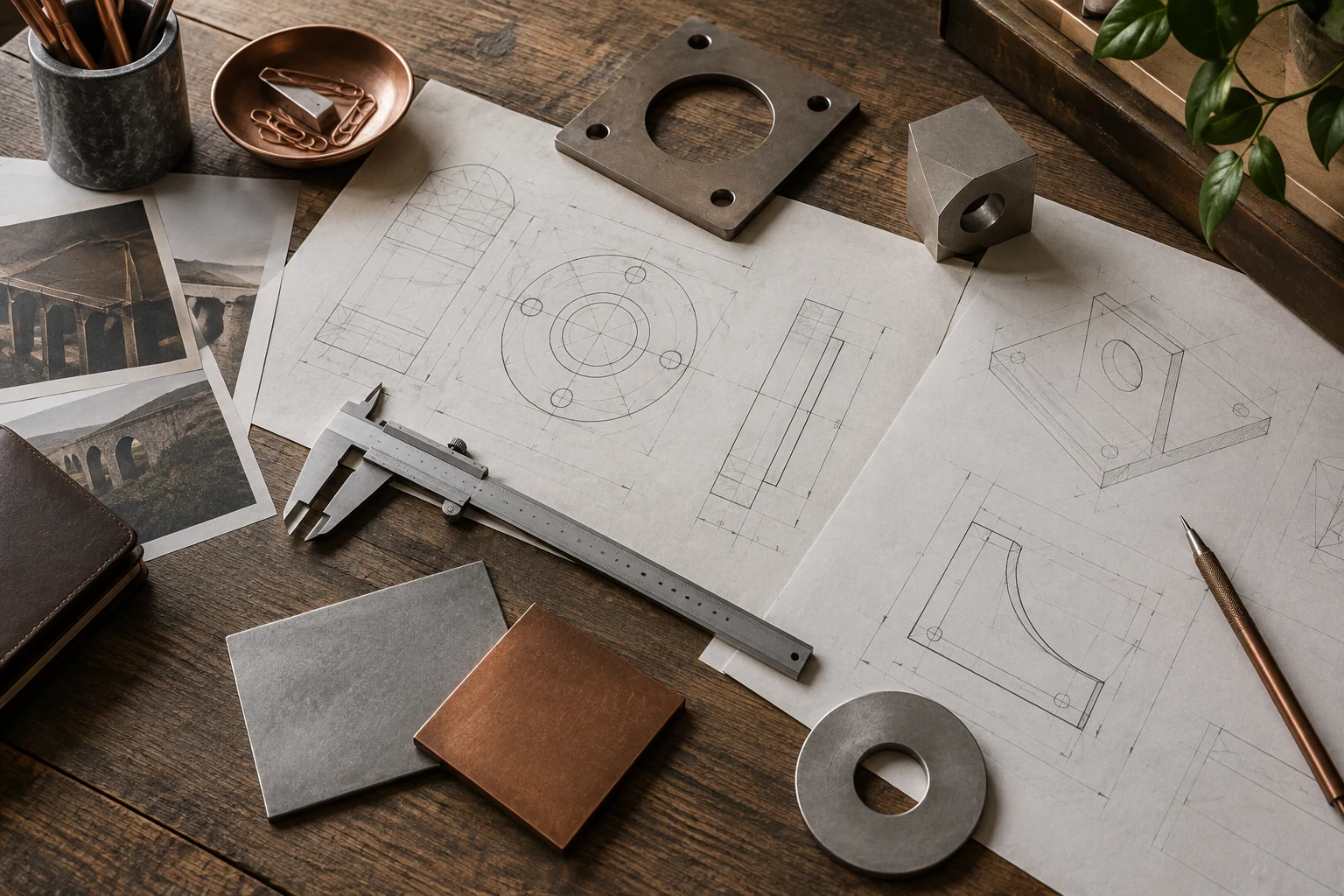
Label material and finish samples with an identifier linked to their origin and purpose. Include relevant supplier information and the date of the review. Keep demonstration pieces separate from approved references. An attractive shelf of anonymous objects can inspire ideas, but it cannot support a controlled comparison when nobody knows which process or revision produced each piece.
Review the library periodically
Remove or clearly mark references that are no longer applicable, while preserving records needed for past projects. Store samples in conditions appropriate to their material and use. Note changes in appearance rather than assuming the sample is permanently unchanged. A small organised library can be more valuable than a large accumulation because it helps a designer understand what each object can legitimately represent.
A practical review checklist
- Use traceable sample identifiers.
- Separate inspiration and approval.
- Mark outdated references.
Further reading
General design-planning material. Actual specifications, machine operation and safety decisions require suitable qualified expertise.