Home / Guides
Wearable Technology Goes Mainstream: Smart Glasses, Rings and Health Devices
Author: William Davis
Publication date: July 3, 2026
Wearable technology has rapidly evolved from niche gadgets to mainstream essentials, shaping how we interact with the world and monitor our health. From smart glasses to rings and specialized health devices, this sector is booming with innovation.
Introduction
Wearable technology is no longer just a futuristic concept seen in sci-fi movies; it is a part of our daily lives. Devices like smart glasses, rings, and health monitors have transformed how we communicate, track fitness, and manage wellbeing. As these gadgets grow more sophisticated and accessible, they are becoming indispensable tools for many.
Smart Glasses: Beyond Vision Enhancement
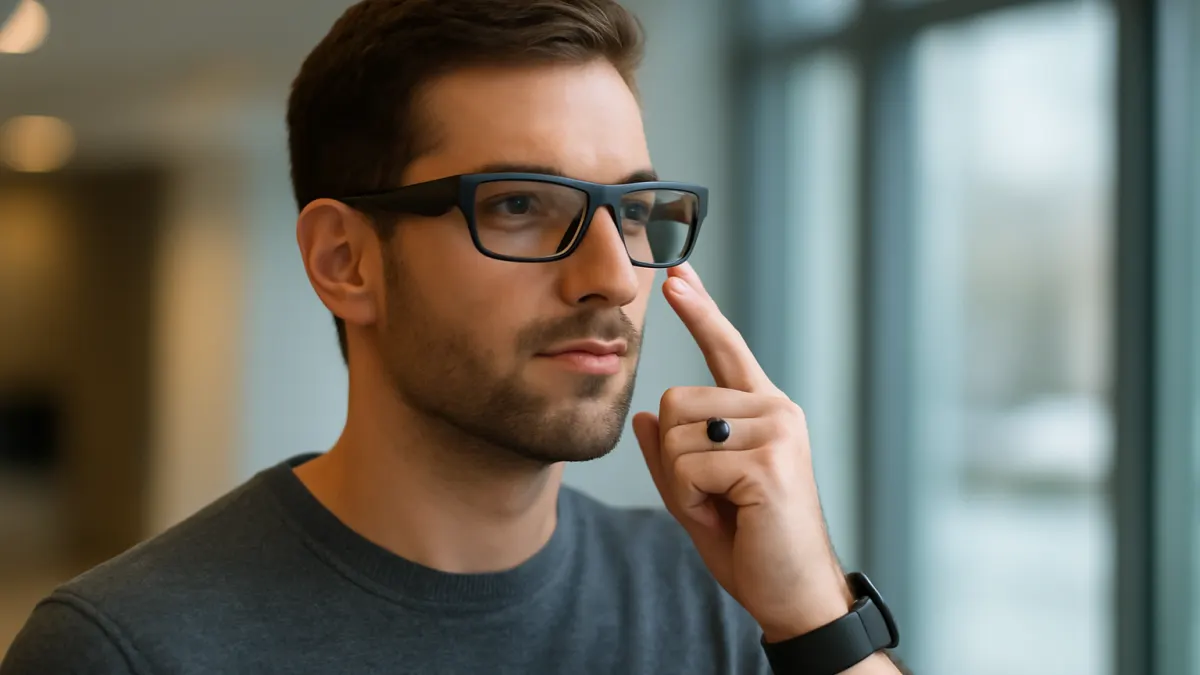
Smart glasses have advanced significantly, offering augmented reality (AR), hands-free notifications, and seamless integration with smartphones. Unlike traditional eyewear, smart glasses provide users with real-time information overlays, navigational aids, and even health metrics. With a focus on blending style and function, manufacturers continue to address the comfort and design challenges to make smart glasses more appealing for everyday use.
Applications of Smart Glasses
- Professional use: For example, mechanics and surgeons can access technical data while keeping their hands free.
- Entertainment and gaming: Enhancing immersive experiences through AR.
- Accessibility: Assisting users with vision impairments.
Smart Rings: Small but Powerful Wearables
Smart rings offer a discreet wearable alternative that packs several features into a compact form. Despite their size, they often include sensors to track heart rate, sleep quality, and activity levels. Some smart rings also provide contactless payment capabilities and notification alerts, combining convenience with technology.
Key Benefits of Smart Rings
- Comfort and subtlety compared to bulkier devices.
- Ease of use in professional and social settings.
- Long battery life due to efficient energy consumption.
Health Devices: Monitoring Wellness with Precision
Wearable health devices have gained prominence, especially in tracking vital signs and chronic conditions. These devices include smartwatches, fitness bands, and specialized sensors that offer continuous monitoring of metrics like blood oxygen, ECG, and stress levels. The data collected helps users and healthcare providers make informed decisions, promoting preventive care.
The Role of Data and Connectivity
Integration with mobile apps and cloud platforms allows seamless data sharing and analysis. This connectivity enables personalized health insights and prompt alerts for abnormalities.
The Importance of 'Brak' in Wearables
Interestingly, the keyword term brak is gaining traction in the wearable technology conversation. Although 'brak' traditionally means 'lack' in some languages, within the wearable tech community it symbolizes the importance of identifying the 'brak' or gaps in current device capabilities. Developers use this concept to innovate and address user needs more effectively, ensuring wearables keep improving in function and usability.
Conclusion
Wearable technology is firmly rooted in mainstream life, promising continued advances in convenience, health monitoring, and connectivity. As smart glasses, rings, and health devices evolve, users can expect more intuitive, stylish, and functional wearables that enhance everyday experiences. Keeping an eye on emerging trends and addressing current 'brak' will ensure these technologies remain relevant and impactful.
Tags
Article rating
This article has no ratings yet.
No published comments yet.